

Thailand and the global community now face various risks and disasters, including increasingly severe and unpredictable natural and environmental disasters, the emergence of new infectious diseases, geopolitical conflicts escalating into war, modern crimes driven by digital technology, and economic volatility. All of these widen social inequality and directly impact the “safe spaces” and “spaces for education and learning” for children and youth.
These crises often do not occur in isolation or end quickly, but are characterized by their volatile, fluctuating, and overlapping nature, or what is known as a “polycrisis.” Examples include an infectious disease alongside an economic downturn, recurring natural disasters in conflict zones, or disasters occurring amid infrastructure limitations and social vulnerabilities. Such crises are highly complex and pose significant challenges to social institutions at all levels, especially… Children and youth are significantly affected by these crises across many dimensions, including health and development, emotional and social well-being, and Education.
A report by Education Cannot Wait (2026), titled Breaking Barriers: Global Estimates 2026, found that over 258 million school-aged children and youth in 87 countries are currently affected educationally by crises. Of these, over 93 million children have dropped out of school altogether (representing a 36% dropout rate), and another 165 million are experiencing difficulties or disruptions in their Education and are at risk of dropping out. The report also indicates that crises do not affect all children equally; the impact increases with inequality gaps or the accumulated vulnerabilities a child faces.
The Painful Truth: Millions of Thai Children in Vulnerability Amidst Crisis
In the context of Thailand, since the COVID-19 pandemic and subsequent crises in 2025, including floods in various regions, earthquakes, PM2.5 pollution, and border conflicts and violence, it is evident that Thai children and youth face increasing risks and impacts from these complex and severe crises.
The UNICEF “Children’s Climate Risk Report 2026” (2006) reflects the risks Thai children face from climate change and various natural disasters, with an overall Hazard Exposure Score of 6.96 (out of 10). The top three disasters that Thai children face the greatest risk of exposure to are air pollution (8.98 points), extreme heat (8.62 points), and floods (6.88 points).
(UNICEF Thailand) UNICEF Thailand also produced a 2025 Impact Report, stating that in 2025, Thailand faced several disasters, including major floods, border conflicts and violence, and other crises affecting homes, schools, and communities. These crises impacted more than one million children in Thailand.
Meanwhile, the Center for Happiness and Safety Management, Office of the Basic Education Commission (2025), also presented a report compiling various statistics reflecting the impact of crises such as the massive floods in southern Thailand. Between November and December 2025, the crisis affected 984 educational institutions, 116,777 students, and 8,464 teachers and staff (125,241 people total). 252 schools were forced to open as temporary shelters, accommodating 23,741 people.
Furthermore, findings from the national agenda “Thailand Zero Dropout” and the project to synthesize and develop proposals for care, assistance, and education for children and youth in crises (Education in Emergencies) by Associate Professor Dr. Raksit Sutthipong (2026) from the University of Phayao (under the support of the Equitable Education Fund) indicate that the “crisis” acts as a “catalyst” that pushes children and youth more easily to fall out of the social safety net. This creates obstacles and hinders their access to appropriate learning and development, leading to learning loss and ultimately dropping out of the education system at any time, especially for children from impoverished households, disadvantaged children, stateless children, and children with special needs. This increases the likelihood of greater risk and impact amidst a crisis, also known as a “polycrisis.” For example:
• Risks and crises to health and development arising from crises directly create panic and fear in children. Furthermore, crises often force schools to close temporarily. Vulnerable children, lacking learning and social spaces, face accumulated stress from altered daily routines. These children also face nutritional problems, as school lunches are normally a staple meal. In addition, temporary school closures expose them to the risk of domestic violence, all of which undermine their emotional, social, and learning abilities.
• Risks and crises of learning regression or learning loss.
Even with efforts from educational institutions and teaching policies to adapt to online or on-hand learning during crises, vulnerable children still face many shortcomings in practice. These include a lack of a conducive learning environment, insufficient learning equipment, limited internet access due to the crisis, and inadequate daily necessities. Vulnerable children also tend to recover more slowly than others.
• Risks and crises of severe and sudden economic hardship and poverty. Various crises have caused a sudden decline in household income for vulnerable children, leading to mounting debt. Furthermore, households prioritize survival, leaving vulnerable children at risk of lacking necessities and essential learning resources, such as necessary learning materials and equipment. This significantly increases the risk of them dropping out of the education system.
While society recognizes that these crises accelerate the likelihood of Thai children and youth, especially vulnerable groups, falling behind in social safety nets—a polycrisis process that can lead to dropping out of the education system—UNICEF (2026) surveyed and assigned a Child Vulnerability Score of only 1.54, assessing the readiness of various social services. This reflects a weakening of the social safety net itself, highlighting the need for society to learn from and understand systemic problems during crises to build a robust social safety net for all children.
Voices from the Field: Problems Amidst Crisis
Part of a study by Associate Professor Dr. Raksit Sutthipong (2026) captures the voices of frontline workers in crisis areas across provinces such as Chiang Rai, Surin, and Ubon Ratchathani. This study effectively illustrates the challenges of crisis management and education for children and youth in Thailand during crises, which often rely on reactive, immediate problem-solving and lack integrated, systemic preparedness plans at both national and local levels.
Chiang Rai Province: When smog and flash floods arrive first, recovery must wait.
Chiang Rai Province faces complex and ongoing crises, including sudden outbreaks of infectious diseases, particularly those affecting border areas; floods and flash floods; and recurring problems with smog, wildfires, and PM2.5 pollution. A 2024 survey found that Chiang Rai experienced 133 days with air pollution, or 36.54% of the year (Phakamart, 2025).
These crises have a wide-ranging impact on children, especially vulnerable groups such as children in impoverished households, ethnic minority children in remote and mountainous areas, stateless children, and children in skipped generations. Teachers and educational personnel, also affected by these crises, bear a heavy burden in communicating and coordinating efforts to assist children, assess the impact, and adapt teaching methods appropriately. This is particularly difficult during crises when internet access is unavailable, making response challenging.
A brainstorming meeting with various agencies in the area on August 15, 2026, highlighted that a major problem in crisis management in Chiang Rai is inflexible budget management. For example, educational institutions cannot immediately use provincial central funds for disaster recovery. They must wait for budget allocations for infrastructure repairs through the chain of command, which can take 1-3 years. Funding is also lacking for individual relief, such as school uniforms and replacement learning materials lost due to the crisis. Furthermore, legal and bureaucratic limitations create concerns about scrutiny, making administrators hesitant to use emergency funds.
Meanwhile, various agencies in the area lack integrated work and a real-time central data center, which is crucial for crisis management planning. The educational curriculum also lacks sufficient flexibility to develop true survival skills in crises.
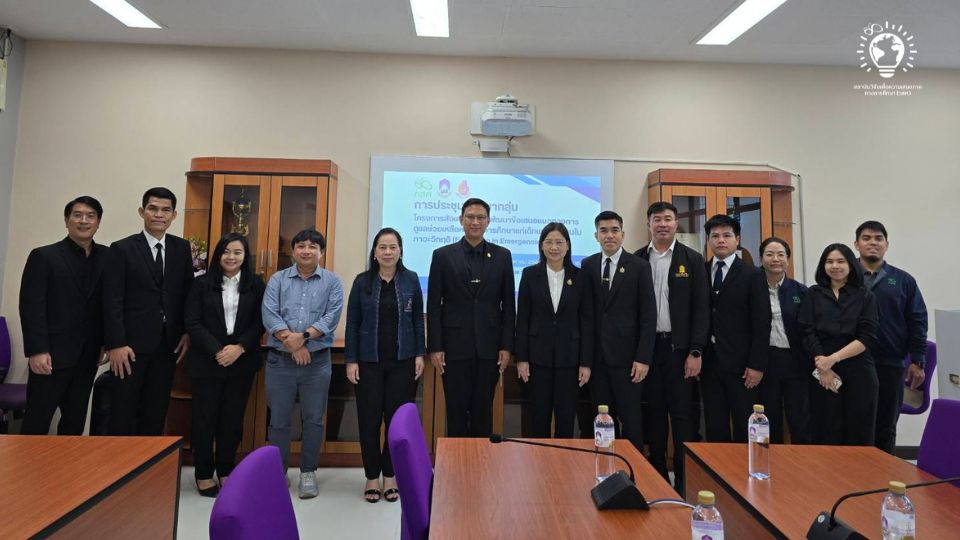
Surin Province: Natural Disasters and Border Crises: Major Challenges Regarding Local Government Agility
Surin Province faces complex crises intertwined with geopolitics and nature, including border security risks, floods during the rainy season, droughts, and disease outbreaks. The impact on vulnerable children is significant in two dimensions: students are forced to miss school due to these conditions, disrupting their educational continuity; and, in crises requiring evacuation to temporary shelters, children and youth are at high risk of accumulated stress and anxiety, particularly early childhood learners who may experience significant learning loss.
A meeting to gather opinions from various agencies in the area on August 25, 2026, highlighted a major structural problem in crises in Surin Province: regulations and the decentralization of power by local administrative organizations (LAOs). Specifically, LAOs cannot immediately disburse funds to assist schools or purchase supplies for children without an official request or order from the governor or the central government, delaying assistance.
Furthermore, rigid financial regulations prevent schools from using their regular budgets to repair sudden damage caused by being used as shelters. Meanwhile, crisis shelter management lacks real-time data, resulting in overcrowding in some centers. In addition, survival skills training courses are not adequately implemented as a mandatory standard in all schools in high-risk areas.
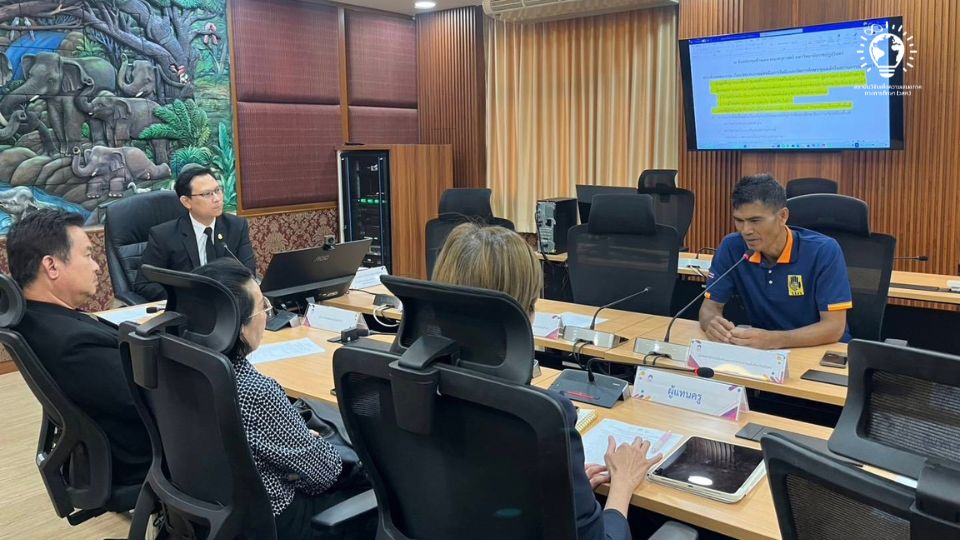
Ubon Ratchathani Province: River Basin Floods and Border Situation: Challenges of an Inflexible System
Ubon Ratchathani Province faced multiple crises: large-scale floods in the Mun and Mekong river basins, a pandemic emergency, and tense border situations. These challenges disrupted learning and caused significant psychological impacts.
A brainstorming meeting with various agencies in the area on August 26, 2026, highlighted that a major problem in managing these crises in Ubon Ratchathani was inadequate disbursement and procurement regulations for emergencies. Normal procurement methods resulted in budget allocations that did not adequately address the situation. Furthermore, schools that advanced funds for immediate relief often did not receive reimbursement and had to return the funds. Reconstructing damaged infrastructure also delayed budget allocation by 1-2 years. A crucial issue was the shortage of school psychologists, hindering effective psychological support for children.
At the same time, teachers and educational personnel reported that they were affected by the disaster’s negative impacts while also being pressured by central government policies to quickly resume teaching and care for students in evacuation centers. Excessive workloads can lead to burnout, reducing teaching quality and lowering children’s learning outcomes.
Furthermore, despite efforts to create flexible learning models, the cross-district credit bank system to accommodate migrant children is not yet sufficiently open. Integrating data across areas is also challenging, especially across regions, leading to duplication and misdirected assistance.
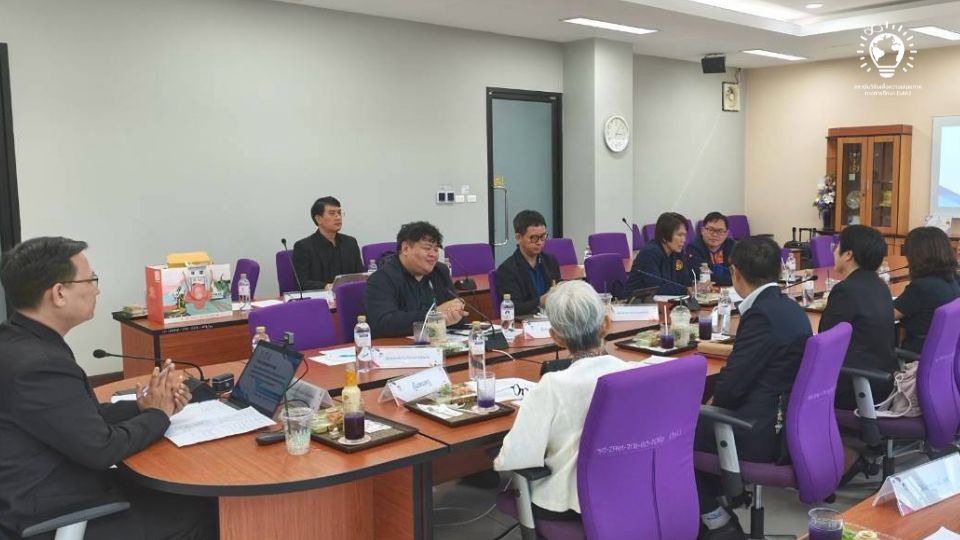
From Narratives Reflecting Problems… To Driving the Education in Emergencies Approach
Voices from the three crisis-stricken provinces of Chiang Rai, Surin, and Ubon Ratchathani highlight the structural problems and gaps in Thailand’s crisis response system. These include delays in systems and regulations, overlapping and ambiguous scopes of authority, and inflexible budget disbursement. These voices also clearly indicate a lack of adequate “systemic support” and a heavy reliance on frontline personnel’s capabilities and dedication.
These structural problems and systemic gaps stem from key causes such as: “a lack of flexible financial and procurement regulations to accommodate crises,” “a lack of clear communication processes and best practices,” and “a lack of streamlined data integration and cross-agency collaboration.” All of these contribute to a lack of confidence and anxiety about being scrutinized among those working on the front lines, even when they make decisions for the urgent benefit of helping and preserving children’s education.
Furthermore, feedback from the field shows that a reactive, immediate, response-focused management approach is no longer sufficient. Thailand urgently needs to upgrade its systemic approach, transitioning to the concept of “Education in Emergencies (EiE). This goes beyond simply switching to online learning during school closures or relying on individual sacrifices for immediate solutions. EiE is a systemic approach grounded in human rights principles, aiming to protect the right to education for all children and youth, ensure access to safe, quality, equitable, and continuous education, and build a strong social safety net for all children.
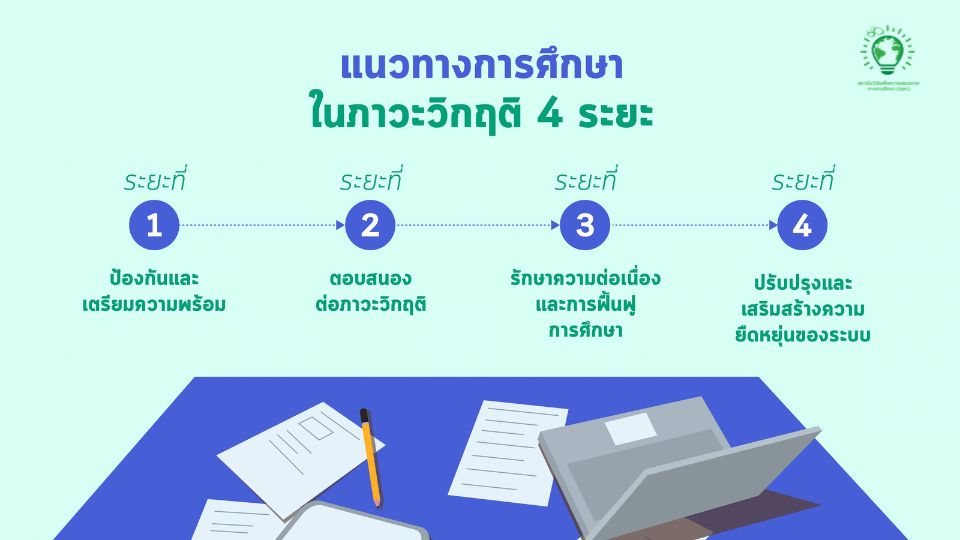
The core of EiE is integrating education with child welfare protection, physical and mental health care, and fostering collaboration within community networks. Aiming to elevate management beyond mere reactive and remedial actions, EiE focuses on interconnected collaboration across all sectors of society in four key phases:
1. Prevention and Preparedness
2. Response to Crises
3. Continuity and Recovery of Education
4. Improvement and Resilience
Understanding and preparing for the Education in Emergencies (EiE) approach is crucial to creating safe and resilient learning spaces for children and youth. This ensures crises do not cause children and youth to fall behind in their appropriate learning and quality-of-life development. This can only be achieved through the collaborative roles of all sectors in these four phases, which will be presented in detail in the next article.
References
ผกามาศ ไกรนรา. (2568, 30 มกราคม). ปี 2567 มี 366 วัน คนเหนือจมฝุ่นพิษเฉลี่ย 228 วัน หายใจในอากาศดีได้แค่ 4 เดือน และกฎหมายอากาศสะอาดจะมากี่โมง?. Lanner. https://lannernews.com/30012568-01/
รักษิต สุทธิพงษ์. (2569). รายงานความก้าวหน้าโครงการสังเคราะห์และพัฒนาข้อเสนอแนวทางการดูแลช่วยเหลือหรือจัดการศึกษาแก่เด็กและเยาวชนในภาวะวิกฤติ (Education in Emergencies). ภายใต้การสนับสนุนของกองทุนเพื่อความเสมอภาคทางการศึกษา.
ศูนย์บริหารความสุขและความปลอดภัย สำนักงานคณะกรรมการการศึกษาขั้นพื้นฐาน. (2568). รายงานผลการเฝ้าระวัง เพื่อช่วยเหลือสถานศึกษาที่ประสบเหตุอุทกภัย 2568. กระทรวงศึกษาธิการ.
Education Cannot Wait. (2026). Breaking barriers: Global estimates 2026. Education Cannot Wait.
United Nations Children’s Fund. (2026). Children’s climate risk report 2026. UNICEF.
UNICEF Thailand. (2026). UNICEF Thailand 2025 impact report. UNICEF Thailand. https://www.unicef.org/thailand/reports/impact-report-2025
Author

Sampan Waree
An Innovation Promotion and Network Development Specialist
Equitable Education Research Institute (EEFI)


